Beyond the Bucket: Navigating the \'Chicken Road\' to Discover Europe\'s Authentic Poultry Traditions and Regional Roasts
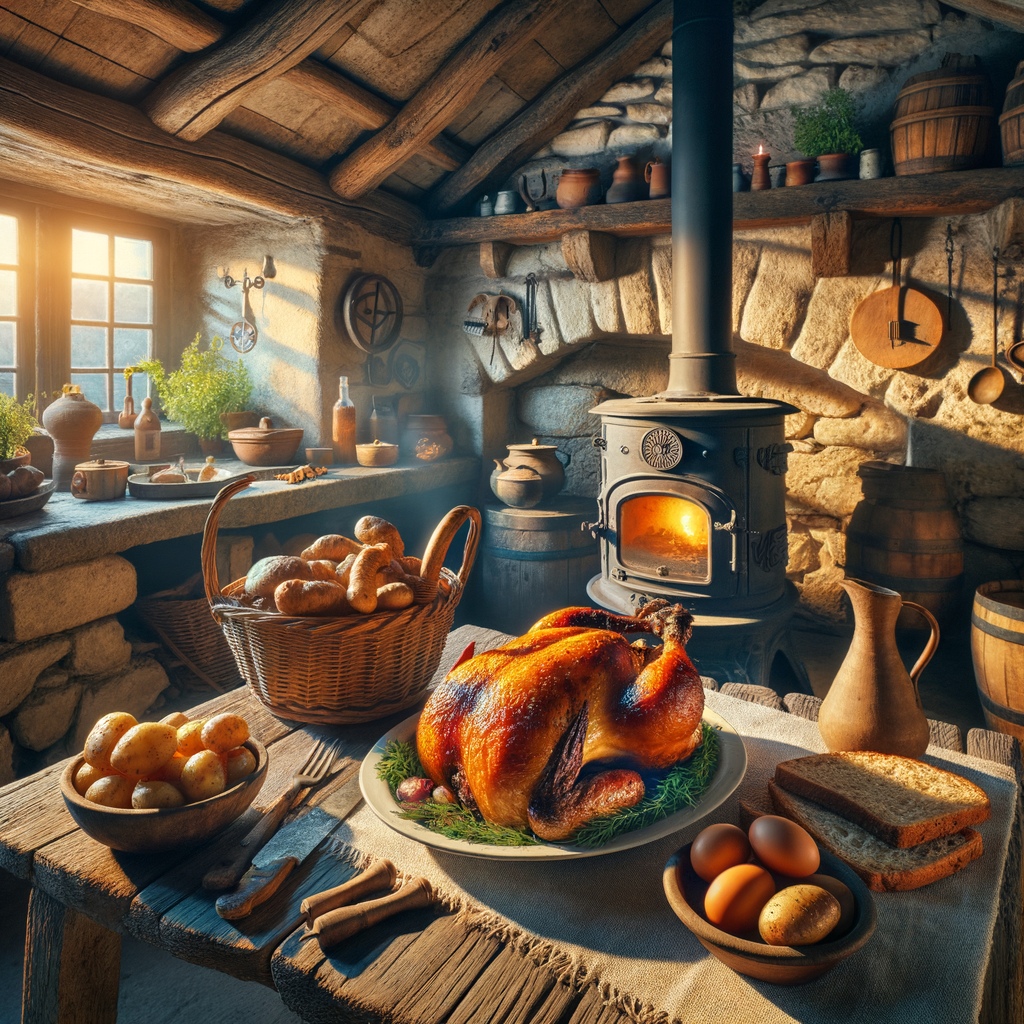
I think for way too long, most of us have just settled. We\'ve settled for bucket chicken. A quick fix that, honestly, leaves you wanting something more real, something with a soul. But what if there\'s a whole continent out there, absolutely overflowing with chicken traditions that could completely change how you see flavor? It\'s a proper culinary journey. An expedition, really. And this isn\'t just about eating chicken; it\'s about digging into the very heart of European food, one perfectly cooked bird at a time. So come on. Let\'s head down what I call the \'Chicken Road,\' a delicious path through Europe\'s real-deal poultry traditions and roasts.
So Why Is European Chicken So Different?
My obsession with European poultry kicked off years ago. I was just wandering through the French countryside and tasted a chicken that wasn\'t just food... it was an event. The flavor, the texture—it was completely alien to anything I\'d known before. And that single meal lit a fire in me to figure out *why* these traditions are so revered. It really boils down to something simple: a deep respect for heritage, ridiculously meticulous farming, and a genuine connection to the land itself.
Terroir and Tradition: It\'s All About the Land
You can\'t talk about European food without mentioning terroir, and believe me, it applies to chickens just as much as wine. Picture it: chickens roaming around in pastures eating local grains and bugs, breathing the air of a specific place. This whole environment, plus farming methods that are centuries old, directly shapes the meat. Free-range isn\'t some marketing gimmick over there; it\'s just how things are done. This ensures the birds build strong flavorful muscles and a robustness you just can\'t fake in a factory farm. It\'s about respecting the animal. And that respect? You can taste it.
It\'s More Than Just the Breed
Forget the generic broiler chicken. Europe is all about its heritage breeds. Each one has a story, a unique genetic code that leads to incredible meat. Take the famous Poulet de Bresse from France. Blue feet, white feathers, red comb . . . it\'s not a chicken, it\'s a national emblem of food excellence, with an AOC status just like a fancy wine. Its slow growth and special diet create this unbelievably tender, juicy meat with a flavor that\'s just... distinct. France also has its \'Label Rouge\' certification, which is basically a guarantee of high welfare and old-school rearing methods. The quality is exceptional. These chickens aren\'t just ingredients. No. They\'re the whole foundation for cooking methods that have been refined for generations, from slow braises to those show-stopping roasts.
Navigating Europe\'s \'Chicken Road\': A Food Lover\'s Quest
The \'Chicken Road\'—it might sound a bit goofy, I admit. But for me, it\'s a very real thing. It’s a mission to track down and taste the regional poultry dishes all over Europe. It’s about getting to know a culture through its food, and uncovering the stories behind the recipes. This is a journey that puts authenticity first, a way to taste the true soul of a place.
German Gastronomy: Discovering the \'Chicken Road\'
Germany gets pegged for sausages and beer, but it has a surprisingly rich tapestry of poultry traditions that are so rewarding to explore. Certain regions are incredibly proud of their local chicken, goose and duck dishes, which are usually tied to festivals and big family meals. You can actually find local projects and culinary routes that point you to the good stuff—the farms, the restaurants, the markets where they still do things the old way. For example, the whole idea behind the Chicken Road really nails this spirit, giving you a literal path to follow for genuine regional food. Places like these offer a real look into traditional cooking, giving you a taste of local heritage that goes way beyond what you might think German food is.
Other Can\'t-Miss European Spots
And the \'Chicken Road\' doesn\'t stop in Germany. It winds all over the continent. France, like I said, is a poultry paradise—Bresse is the king, but you also have endless versions of Coq au Vin where the local wine completely defines the dish. Then there\'s Italy. Tuscany, specifically. You\'ll find some of the best roast chicken (Pollo Arrosto) on the planet there, usually just flavored with rosemary garlic and lemon and slow-cooked until it\'s perfect. Spain has its own killer dishes, from a rustic garlic chicken to chicken paella. Even the UK—the Sunday Roast is a sacred ritual, and a perfectly roasted chicken is often the star, with Yorkshire puddings and gravy. Every country, every little region, has its own art form. It\'s beautiful.
Regional Roasts and Culinary Rituals: This is Heritage on a Plate
The magic of European poultry isn\'t just in the bird. It\'s in the rituals, the artistry that surrounds it. These dishes are the cornerstones of family gatherings and celebrations. They\'re edible history.
From Sunday Roast to Holiday Feasts
Just think about the British Sunday Roast. It’s a whole ceremony built around a juicy roast chicken, crispy potatoes, veggies, and gravy. It\'s more than a meal, it’s a weekly thing. Then contrast that with a big Christmas goose or duck in Germany or Austria, stuffed with apples and prunes and slow-cooked until the skin is like glass. Shatteringly crisp. In France, a simple roast chicken gets elevated with herbs de Provence and a pan sauce made right there. Each style tells you something about the local ingredients, the climate and the culture that turns a simple roast into something you\'ll remember.
Sides Aren\'t Afterthoughts
No European roast is whole without its backup singers. These sides aren\'t just filler; they\'re critical to the whole experience, playing off the poultry\'s flavor and showing off local produce. Think of a creamy potato gratin with a French roast. Or the tart lingonberry sauce that cuts right through the richness of a Scandinavian duck. In Italy, a simple plate of roasted vegetables with local olive oil is all you need. These sides—from bread dumplings in Germany to a simple salad—prove how holistic European cooking is. Every single thing on the plate matters.
Bringing Europe Home: How to Do It Yourself
Feeling inspired? Want to bring a piece of that \'Chicken Road\' into your own kitchen? Good. You absolutely can. Recreating these flavors is a fantastic way to connect with that culinary heritage. It all starts with sourcing your ingredients smartly.
Sourcing Ingredients: What to Look For
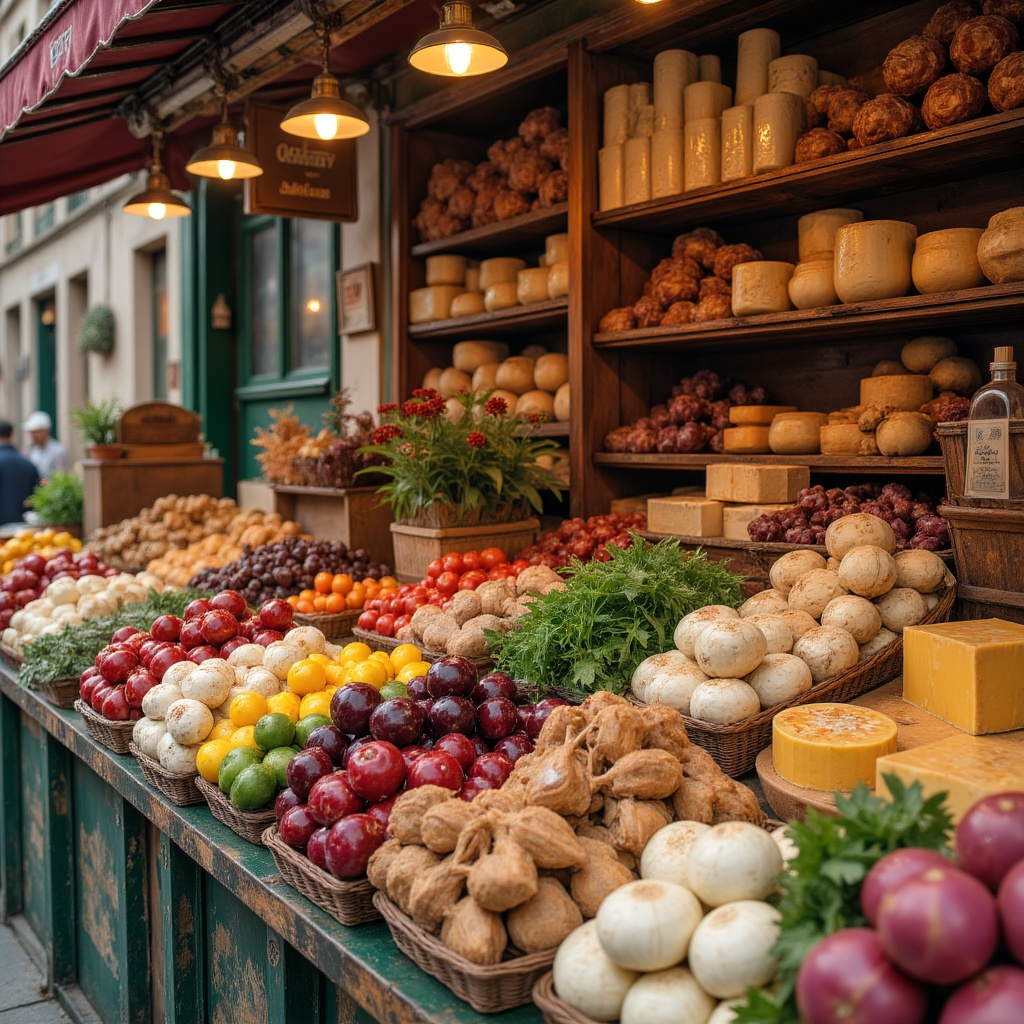
This is the most important step. Find a quality bird. Look for labels—free-range, organic, pasture-raised. If you can find a heritage breed, even better! Learned that the hard way. The flavor and texture will be night and day. Talk to your butcher, ask them where their stuff comes from. Beyond the chicken, get good regional ingredients: real sea salt, fresh herbs, good olive oil, authentic spices. Farmers\' markets are your best friend here. You can find produce that\'s just like what you\'d see in Europe, and it makes all the difference.
Key Techniques and Spices for European Roasts
Technique-wise, a great roast often starts with a brine. A simple salt-and-sugar bath that guarantees a juicy bird. Slow roasting at a medium temperature is also key—it builds flavor, renders the fat, and crisps the skin. And for seasoning? Think like a local. For a French vibe, you need herbs de Provence, garlic, lemon. For an Italian feel, go with rosemary, sage, and a ton of black pepper. A German roast might use caraway, juniper, or mustard. And whatever you do, don\'t throw out the pan drippings. Making a real pan gravy is a non-negotiable for a lot of these dishes. Master these few things, and your home cooking will hit a whole new level.
Conclusion: Your Culinary Quest Awaits
My journey on the \'Chicken Road\' completely changed everything for me. It took a simple ingredient and showed me a whole world of culture, tradition, and unbelievable flavor. It\'s proof that there\'s a universe beyond mass-produced convenience food, a world that demands a bit more effort but pays you back tenfold. So whether you actually go to Germany to check out their initiatives, hunt down a Bresse chicken in France, or just lock yourself in your kitchen to perfect a Tuscan roast—I\'m telling you, take the journey. Embrace the differences, savor the heritage breeds, and soak in the centuries of wisdom baked into every European roast. Your palate will thank you. And you\'ll get a much deeper appreciation for what real food culture is all about, one delicious chicken at a time.