How to Choose a Safe Bitcoin Casino UK Players Can Trust in 2026: Licensing, Security, and Payout Speed Explained

Crypto gambling has properly caught on with UK players over the last couple of years, and honestly, once you try it, the appeal makes sense. Bitcoin deposits land almost instantly. Withdrawals skip that grim three-to-five-business-day limbo. And you're not leaving a bank statement line that reads 'online casino' every time you fancy a punt. The speed and privacy aren't marketing fluff — they're real, tangible upgrades over the old fiat rails.
But here's the catch, and it's one I keep repeating to friends who ask: the exact same traits that make crypto casinos great — speed, pseudonymity, barely any friction — also make them irresistible to operators who never planned on paying out fairly. Or at all. Unregulated sites show up overnight looking sleek and professional, hoover up deposits, then vanish. So before you send a single satoshi anywhere, you need a framework for telling the real operators apart from the ones built to relieve you of your crypto.
What Makes a Bitcoin Casino 'Safe' in 2026?
Safety here isn't some fuzzy feeling — it breaks down into four things you can actually check: a valid gambling license, encryption that meets industry standards, independently certified fair-game software, and terms that don't bury nasty surprises somewhere around paragraph nineteen. A site can look sharp and polished and still flunk every single one of these.
What makes crypto casinos harder to vet than fiat ones comes down to Bitcoin's pseudonymous nature. A bank transfer leaves a paper trail, and there's a regulated institution somewhere in that chain you can actually hold accountable. Bitcoin doesn't work that way. Once the funds leave your wallet, there's no chargeback, no fraud department picking up the phone. That's exactly why doing your homework before depositing matters more here than in almost any other corner of online gambling.
Bitcoin Casino vs Traditional Online Casino
The practical differences are worth laying out. Traditional casinos lean on bank transfers or card payments that can take days to clear on the way out, plus standard RNG (random number generator) audits from third parties like eCOGRA. Bitcoin casinos usually run on provably fair algorithms instead — you can personally verify a game's outcome wasn't rigged — and withdrawals can hit your wallet in minutes rather than days.
When a crypto site is properly regulated, you actually get the best of both worlds: blockchain-level transparency plus the consumer protections that come with a licensed operator. The problem? Plenty of sites offer the crypto speed without any of the regulatory backbone. That's where players get burned.
Licensing and Regulation UK Players Should Look For
Licensing is the single most important filter, full stop. In the UK, the Gambling Commission (UKGC) sets the gold standard, though a lot of crypto-focused operators serving UK players hold Malta Gaming Authority (MGA) licenses instead — also well-respected, and it enforces genuine player protection rules. Curacao eGaming licenses show up far more often in the crypto space and, frankly, offer weaker oversight. Not an automatic scam signal, but it's a reason to dig deeper.
- Check for a visible license number in the site footer, not just a logo image
- Cross-reference that number directly on the regulator's official website (UKGC, MGA, or Curacao's registry)
- Confirm the licensed company name matches the casino's terms and conditions
- Look for a dispute resolution service (like eCOGRA or IBAS) mentioned in the terms
Red Flags of Unlicensed or Offshore-Only Platforms
Some warning signs are pretty much universal by now. No license info anywhere on the site? Instant no. Vague or missing company registration details, no clear complaints procedure, terms and conditions that read like a copy-paste job full of typos and contradictions — these are all signs I'd walk away from immediately. And if customer support can't tell you who regulates them when you ask directly, that tells you everything you need to know.
Security Features That Protect Your Crypto Deposits
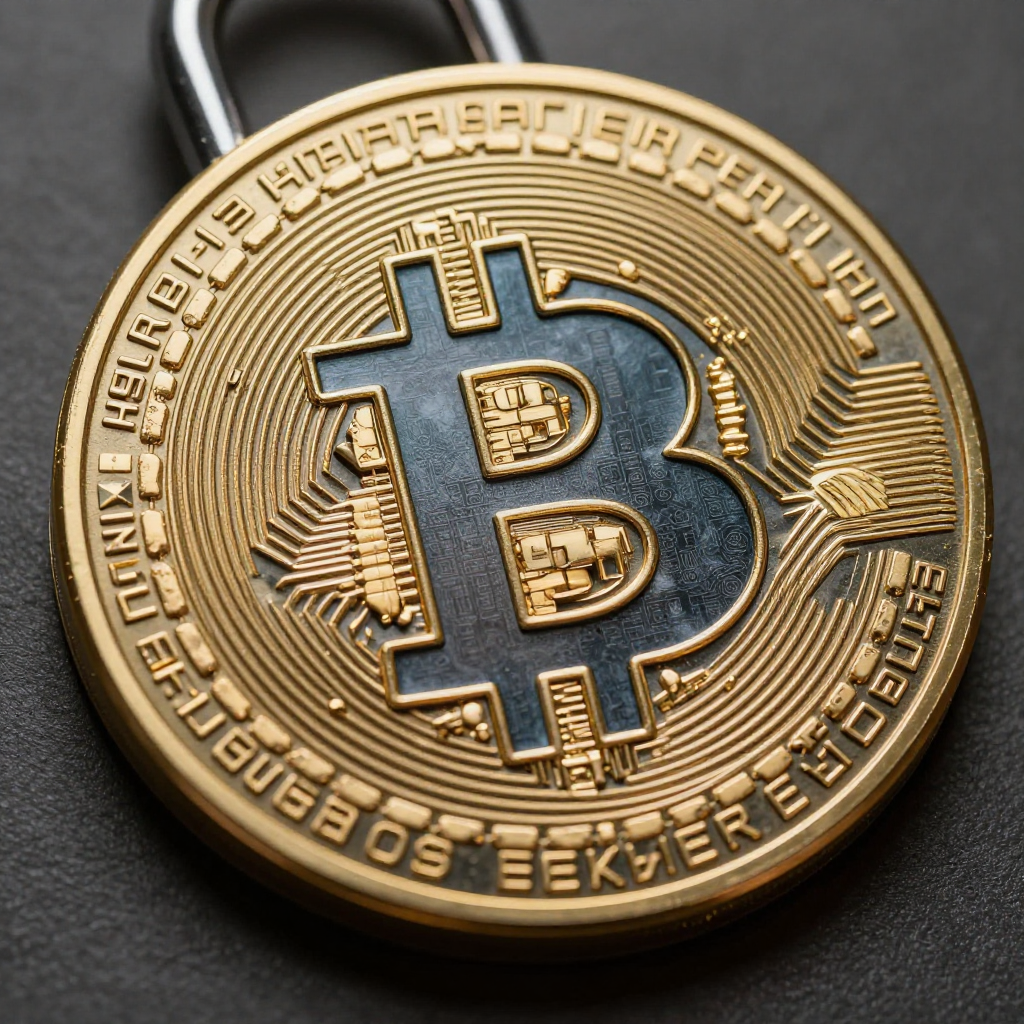
Beyond licensing, take a look at the technical security layer. Reputable Bitcoin casinos run SSL/TLS encryption across the whole site — check for the padlock and a valid certificate — offer two-factor authentication on account access, and keep the majority of player funds in cold storage wallets, disconnected from the internet and out of reach of hacks.
KYC (Know Your Customer) and AML (Anti-Money Laundering) checks can feel like a hassle when you're used to crypto's anonymity, but their presence is actually reassuring. It means the operator is following regulatory requirements rather than looking the other way. A casino that never asks for ID verification, even on bigger withdrawals, is often one that answers to nobody.
Evaluating Payout Speed and Withdrawal Reliability
This is where crypto casinos should genuinely shine — and it's one of the clearest trust signals you'll find. A legitimate Bitcoin casino processes withdrawals in minutes to a few hours. Anything that stretches into multiple days without a clear technical explanation? That's a red flag. Hidden withdrawal limits — capping you at some tiny daily maximum regardless of your actual balance — are another trick that catches new players off guard.
My advice, always: test the waters with a small first withdrawal before committing serious funds. If it clears fast and without drama, that's a strong sign the site handles bigger cashouts the same way. For UK players who'd rather skip the trial-and-error entirely, a dedicated bitcoin casino UK comparison hub that pre-checks licensing and payout speed can save a genuinely significant amount of research time — and cut the odds of picking a dud considerably.
How to Spot Slow-Payment or Withdrawal-Blocking Tactics
Watch for excessive re-verification requests every single time you try to withdraw, minimum thresholds that keep quietly creeping up, or wagering requirements buried in bonus terms that effectively lock your deposit — and any winnings — in place for weeks. These tactics exist for one reason: to frustrate players into giving up on withdrawing at all.
Practical Steps to Vet a Bitcoin Casino Before You Deposit
- Verify the license number directly with the issuing regulator, not just on the casino's own page
- Read independent reviews on forums and dedicated crypto gambling communities, not just testimonials on the site itself
- Search for payout complaints or unresolved disputes on gambling forums like AskGamblers
- Contact customer support with a specific question and gauge how quickly and clearly they respond
- Start with a modest deposit and test a withdrawal before scaling up
Common Mistakes UK Crypto Gamblers Make
The biggest one I see over and over: skipping the terms and conditions entirely, then getting blindsided by wagering requirements that make bonus winnings nearly impossible to withdraw. Chasing oversized welcome bonuses without reading the fine print comes a close second. Funding accounts through unregulated or shady exchanges piles on another layer of risk before the money's even reached the casino.
And plenty of players forget that personal wallet security — strong passwords, hardware wallets, staying off public Wi-Fi for transactions — matters just as much as whatever safeguards the casino itself has in place.
Conclusion
Licensing, security, and payout speed — that's the three-pillar checklist I'd run on any Bitcoin casino before dropping a single coin in 2026. None of these guarantees a good experience on its own, but together, they filter out the vast majority of operators not worth your time or trust. Take the extra fifteen minutes: verify a license, check for cold storage and 2FA, test a small withdrawal. It's a small investment of effort protecting a much larger investment of money.
Prioritise verified reputation and transparency over flashy welcome offers, and you'll sidestep the pitfalls that catch out so many crypto gamblers every year.