How UK Charities Like Anna4Redcar Are Diversifying Fundraising in 2026: From Community Events to Online Casino Partnerships and Responsible Gambling Sponsorships
Five years ago, if you'd told me a small Redcar-based charity would be talking about online gaming partnerships in the same sentence as coffee mornings, I'd have laughed. But here we are in 2026, and I've watched it happen up close — organisations like Anna4Redcar getting creative just to keep the lights on. Government grants have shrunk. Local councils are stretched thinner than I've ever seen. And the cost of running something as basic as a food bank or a community drop-in has climbed faster than most donors can keep up with. Something had to give.
This isn't about ditching tradition, though. It's about stacking new income streams on top of the old ones — carefully, and without cutting corners on ethics. Anna4Redcar hasn't given up its jumble sales. But it has started eyeing partnerships that, not that long ago, would've seemed a bit odd for a charity to touch.
The Changing Landscape of Charity Fundraising in 2026
Street collections still happen. Bucket shakes outside the supermarket, too. But the returns have flattened out — people carry less cash than they used to, donor fatigue is real, and every cause is fighting for attention across a dozen digital channels at once. Meanwhile, running costs for even a modest charity have shot up: insurance, venue hire, staff wages, utility bills for the drop-in centre. It adds up fast.
Talking to trustees at other small charities, I keep hearing the same thing, almost word for word: relying on one or two fundraising formats is just too risky now. Diversification isn't some trendy buzzword anymore. It's survival, plain and simple.
Why Community-Based Charities Are Under Financial Strain
Local councils that used to top up charity budgets are dealing with their own funding squeeze, so that support has more or less dried up. Add rising energy costs and wage pressure on top, and you get charities scrambling to find new revenue just to maintain the service level they offered two or three years back. Anna4Redcar's trustees haven't hidden from this — standing still isn't really an option when costs keep climbing the way they have.
Community Events – The Traditional Backbone
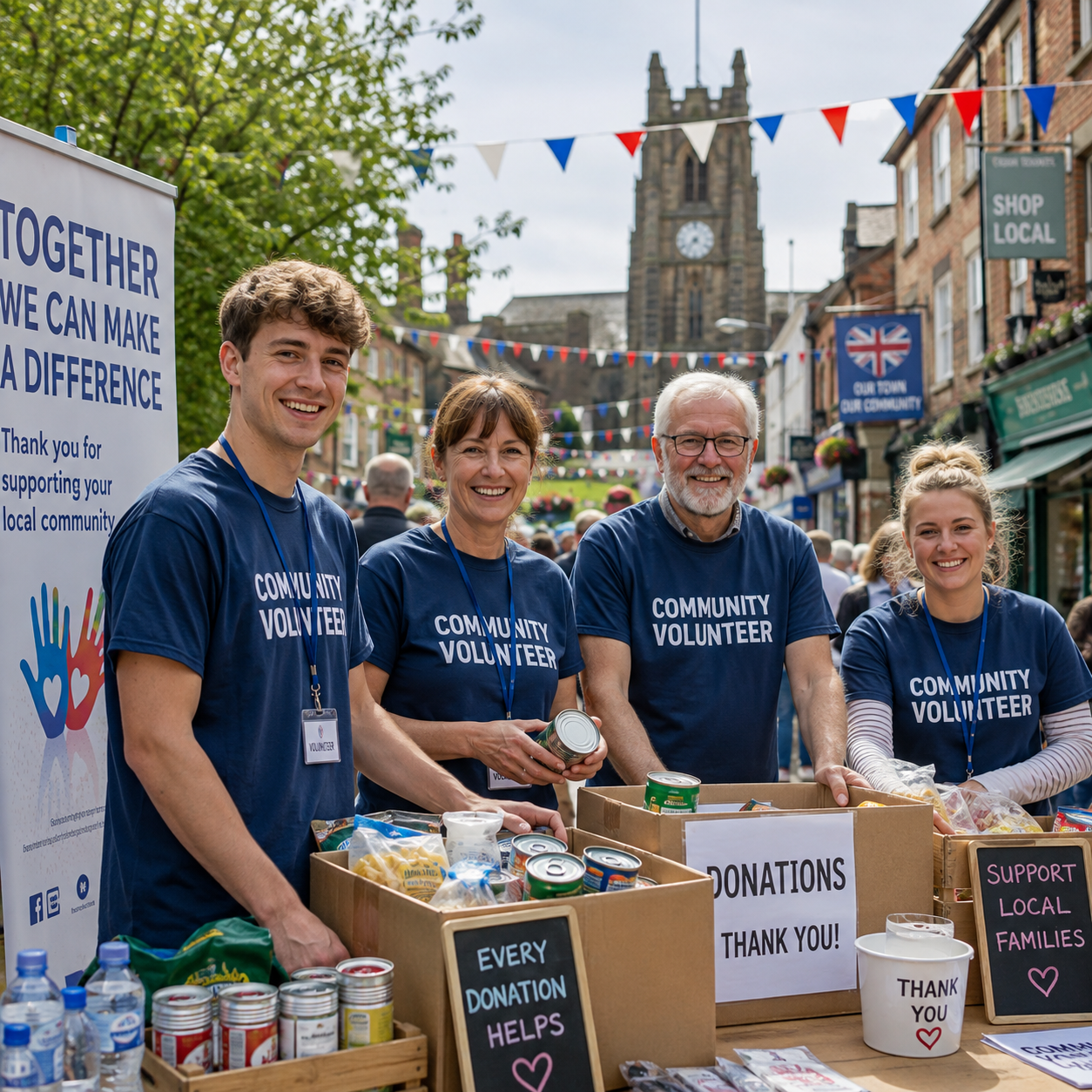
None of this means grassroots events have gone out of fashion. Fun runs, coffee mornings, charity auctions — they still bring in steady money, and just as important, they keep the charity visible and connected to the people it actually serves. Anna4Redcar still runs its regular events around Redcar, and honestly, I'd say these remain the emotional heart of the whole fundraising identity.
What's changed is how these events fit into the bigger picture. They're one layer now, not the entire strategy.
Making Events Work Harder with Digital Promotion
A coffee morning that once reached fifty locals can now reach thousands — a well-placed Facebook event, a short video shared on local news pages, a ticketing link dropped into community WhatsApp groups. Small charities have got noticeably sharper at using free digital tools to stretch a single physical event way beyond its original footprint.
Entering the World of Online Casino Partnerships

This is the bit that raises eyebrows, so let me walk through it properly. A growing number of UK charities are building structured partnerships with licensed online gaming operators — companies that commit a percentage of certain revenue streams to charitable causes, or run charity-branded promotional events. These arrangements sit strictly within UK Gambling Commission rules, and any reputable operator has to prove its responsible gambling safeguards before a charity even considers signing on.
To be clear, this isn't charities endorsing gambling as a pastime. It's about tapping into an industry that already has a large, engaged customer base, and redirecting a slice of that activity toward genuine community benefit — under proper regulatory oversight, not a handshake deal.
How These Partnerships Are Structured
In practice, these deals tend to follow a handful of recognisable models: sponsored tournaments where part of the entry fee goes to charity, donation-per-signup schemes tied to new customer registrations, and branded 'charity days' on gaming platforms where a portion of that day's proceeds is pledged to a named cause. Charities weighing this option usually spend a fair chunk of time on due diligence before anything gets signed. A lot of trustees I've spoken to say they'll review platforms recognised as a top tether casino just to understand what proper vetting actually looks like, and to study real examples of responsible collaboration before committing to anything. It's a sensible starting point — not a shortcut, and definitely not something to skip.
Responsible Gambling Sponsorships – Balancing Ethics and Income
Accepting funding tied to gambling isn't something a charity should do lightly, and I don't think any of the trustees I've spoken with would argue otherwise. Transparency with donors matters enormously — people deserve to know exactly where the money's coming from and how it's spent. Anna4Redcar's approach has been to be upfront about any such partnership on its website and in newsletters, rather than quietly folding the income into general funds and hoping nobody asks.
Safeguarding is the other non-negotiable. Any partnership has to align with responsible gambling messaging, not quietly undercut it. That means no promotions aimed at vulnerable groups, no misleading advertising, and a clear, demonstrable commitment from the operator to player protection.
Setting Boundaries — What Anna4Redcar and Similar Charities Avoid
There's a checklist that comes up again and again when I talk to trustees: never work with unlicensed operators, stay well clear of any partner using aggressive marketing tactics, and insist on seeing proof of responsible gambling certifications before agreeing to anything at all. If an operator can't demonstrate compliance clearly and quickly — that's usually the end of the conversation. No second chances on that one.
Measuring Success — Impact Beyond the Numbers
The results of this diversified approach go beyond what shows up on a balance sheet. Anna4Redcar has managed to extend its opening hours, reach new supporters who might never have shown up to a traditional fundraiser, and build a financial cushion that helps it get through the quieter months. It's also reached a donor demographic that community events alone rarely touch — younger, digitally native supporters who engage with causes online first, sometimes exclusively.
That resilience matters more now than it ever has, especially with economic conditions still so unpredictable.
Best Practices for Charities Considering Similar Diversification
- Carry out thorough due diligence on any potential partner, checking licensing status and safeguarding credentials.
- Communicate openly with donors about new income sources and how funds are used.
- Follow Fundraising Regulator guidelines closely, particularly around transparency and consent.
- Monitor reputational impact over time, not just at the point of signing a partnership.
- Keep community events running alongside newer strategies rather than replacing them entirely.
Conclusion
UK charities in 2026 are having to think differently about where their money actually comes from, and Anna4Redcar is a decent example of how that gets done without losing sight of core values. Community events still matter — they're not going anywhere — but they're now sitting alongside carefully vetted digital-era partnerships, including responsible gambling sponsorships that meet strict ethical and regulatory standards. It's not a perfect science, and every charity has to work out its own comfort level. But the organisations getting this right are proving that innovation and responsibility can coexist, without one cancelling out the other. If you're involved with a charity yourself, it's worth keeping an eye on how groups like Anna4Redcar navigate this balance. There's genuinely a lot to learn from how they've gone about it.