How UK Players Are Choosing Safer Alternatives to Crypto Casinos in 2026: A Guide to Regulated Online Gambling and Responsible Gaming Resources
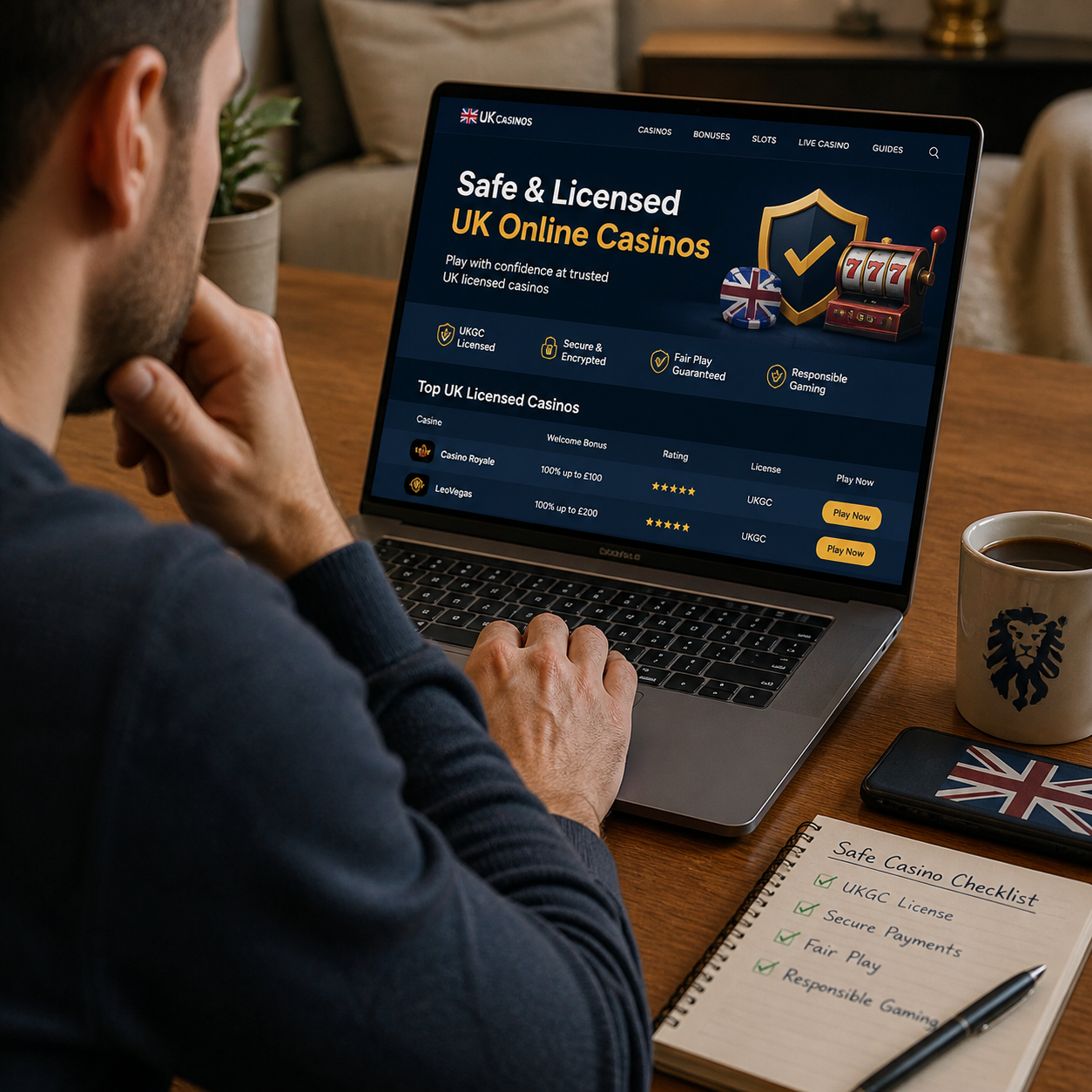
I've spent a good chunk of the last year talking to fellow UK gamblers, reading forum threads, and digging through complaint logs. One theme keeps surfacing: people are getting nervous about crypto casinos. It's not paranoia — it's pattern recognition. Withdrawal delays that stretch into weeks. 'Support teams' that vanish the moment you land a big win. Platforms registered somewhere with basically no oversight at all. Heading into 2026, more UK players are quietly stepping back from these offshore crypto sites and moving toward properly licensed, regulated operators instead.
And this shift isn't just fear talking — it's maturity, honestly. Players have gotten sharper, and the tools built to protect them have gotten better too. So in this guide, I'll walk through why crypto casinos carry real risk, what UK regulation actually guarantees (not just what it claims to), and which responsible gaming resources you should be leaning on regardless of where you end up playing.
What Are Crypto Casinos and Why UK Players Are Reconsidering Them
Crypto casinos are online gambling platforms that accept Bitcoin, Ethereum, Litecoin, and similar digital currencies as their primary — sometimes their only — form of payment. Most operate out of jurisdictions with light-touch licensing, if there's any licensing to speak of. The pitch is seductive: instant deposits, no awkward line item on your bank statement, bonus structures that look almost comically large next to what you'd find on a mainstream UK site.
But here's the thing — that appeal is exactly what should give you pause. There's a well-documented breakdown of the risks tied to crypto casinos and the safer alternatives available to UK players, and it's worth reading before you deposit a single satoshi. Anonymity cuts both ways. It protects the player's identity, sure, but it also shields the operator from any real accountability.
The Appeal vs. the Risk
On paper, crypto casinos sell themselves as the future: private, fast, borderless. In practice, that speed comes at a cost — consumer protection, mostly. There's typically no dispute resolution process worth mentioning, no independent audit of the random number generators running the games, and no regulator you can actually escalate a complaint to when something goes sideways. I've seen accounts frozen the instant a withdrawal request looked 'too large,' zero explanation given, zero recourse offered. That's the trade-off nobody puts in the marketing copy.
The UK Regulatory Landscape and Why It Matters
The UK Gambling Commission (UKGC) has spent years building a framework that, imperfect as it is, gives players something crypto platforms simply don't: enforceable standards. Any operator advertising to UK residents has to hold a UKGC licence — which means submitting to regular audits, keeping finances transparent, and following strict rules around advertising, age verification, and game fairness.
Compare that to a typical crypto casino, which might flash a licence from a jurisdiction most players have never even heard of — one with barely any enforcement capacity and, frankly, little interest in policing how its operators behave. The contrast in oversight is stark once you actually go looking for it.
What UKGC Licensing Guarantees
A genuine UKGC licence comes with several concrete protections:
- Fund segregation — player deposits must be kept separate from operational funds, cutting the risk of losing your balance if the company runs into trouble.
- Fair play audits — game RTPs and RNGs get independently tested and verified on a regular basis.
- Complaint handling — licensed operators must offer a formal dispute process, and unresolved issues can be escalated to an independent adjudicator.
- Age verification — thorough identity and age checks are mandatory before real-money play begins.
Benefits of Choosing Regulated Online Casinos Over Crypto Platforms
The practical upside of sticking with regulated operators goes well beyond peace of mind. If a payment dispute comes up, you actually have legal recourse — something that's essentially nonexistent with anonymous crypto operators, where chargebacks aren't possible and there's often no traceable company behind the brand at all. Payment processing through regulated UK banking channels also brings fraud protections that crypto wallets just don't offer.
Then there's the games themselves. Regulated casinos publish verified RTPs and submit to third-party testing, so you're not gambling on whether the software's rigged on top of gambling on the actual game. And critically — only licensed platforms are required to build in responsible gambling tools as a baseline feature, not some optional add-on you have to go hunting for.
Responsible Gaming Tools Every UK Player Should Know
One of the biggest advantages of playing on a UKGC-licensed site is access to a real safety net. GAMSTOP lets players self-exclude from every licensed gambling website in the UK at once — a protection crypto casinos, sitting outside the UK framework entirely, can't and won't offer. Deposit limits, loss limits, reality checks (those pop-up reminders showing how long you've been playing and how much you've spent) — these are standard features on regulated platforms, not premium extras. GamCare, meanwhile, offers free confidential support, whether that's a helpline conversation or structured advice for managing gambling habits.
How to Set Up Self-Exclusion and Limits
Getting these protections in place takes a few minutes, maybe less. Most regulated operators list responsible gambling settings right in your account dashboard, usually under 'Account Settings' or 'Responsible Gambling.' From there you can set daily, weekly, or monthly deposit caps, turn on session time reminders, or trigger a temporary cooling-off period. Want a more permanent break? GAMSTOP's self-exclusion registers you across every UKGC-licensed site for a minimum of six months, extendable to a year or longer. It genuinely takes less time than setting up a new streaming subscription.
How to Spot a Safe, Regulated Online Casino in 2026
Before signing up anywhere, run through this quick checklist:
- Verify the UKGC licence number directly on the Gambling Commission's public register — don't just trust a badge sitting in the site's footer.
- Check for SSL encryption and secure payment processors with names you actually recognise.
- Read the terms and conditions for withdrawal limits, wagering requirements, and bonus restrictions before you deposit anything.
- Look for independent reviews from established UK gambling watchdogs, not just testimonials sitting on the casino's own site.
Red flags that should send you running: unrealistic bonus percentages (think 200%+ matches wrapped in vague terms), zero KYC or identity verification requested, and company registration details that are vague or just... missing.
Common Mistakes UK Players Make When Switching from Crypto Casinos
Even players actively trying to move away from crypto casinos trip up sometimes. A common mistake is assuming any site claiming to be 'licensed' is automatically UK-regulated — plenty of operators hold licences from jurisdictions with little to no enforcement power and market that loosely as credibility. Another slip is glossing over the fine print on withdrawal caps, which can turn a big win into a slow drip of monthly payouts instead of a lump sum. And watch out for rebranded crypto platforms that bolt on a token fiat payment option just to look compliant, while still operating largely outside UK oversight.
Conclusion
The appeal of crypto casinos hasn't gone anywhere, but by 2026 UK players have gotten a lot more discerning about what that appeal actually costs them in terms of security and support. Choosing a UKGC-licensed platform means legal protection, verified fairness, and real access to tools like GAMSTOP and GamCare when you actually need them. Before you play anywhere, take five minutes — check the licence, read the terms, set your limits. It's a small habit, but it makes a real difference over the long run.