Responsible Gambling and Community Support: How UK Charities Like Anna4Redcar Help Those Affected by Problem Gambling
I've noticed something over the past year that's genuinely hard to ignore. The phrase 'top tether casino' keeps popping up in search trends across the UK — and right alongside it, so does a rise in concern about problem gambling. Odd pairing, at first glance. But it makes more sense once you dig in a bit.
Crypto-based gambling platforms are booming right now, and with that boom comes a fresh wave of people quietly struggling to keep their habits in check. I'm not here to tell you gambling is inherently bad — that's not really the point of this piece. This is about pointing toward the community-based support that exists when things tip out of balance, and about how charities like Anna4Redcar are stepping up in ways national helplines sometimes just can't.
Understanding Problem Gambling in the UK Today
Problem gambling, in plain terms, is when betting stops being a bit of fun and starts eating into someone's finances, relationships, work, or mental health. The Gambling Commission's most recent figures for 2026 suggest rates of gambling-related harm have crept up again — particularly among younger adults who've grown up with mobile betting apps and instant crypto payments right at their fingertips.
What's changed isn't just how much people gamble. It's the speed of it. The invisibility of it, really.
A decade ago, you'd walk into a bookmaker. Now you can lose hundreds of pounds worth of crypto from your sofa in under ten minutes — often without a single human interaction to slow you down. No cashier. No pause. Nothing standing between the impulse and the click.
Why Tether and Crypto Casinos Attract Attention
There's a reason so many people search for the 'top tether casino' right now. Tether (USDT) transactions are fast, fees stay low, and for a lot of users there's a perceived layer of anonymity that traditional card payments just don't offer. On paper, that sounds convenient — even smart, if you squint at it right. In practice, though, it strips away some of the natural friction that used to make people pause before spending.
No waiting on a bank transfer. No statement showing up at home. No partner asking questions over breakfast. That frictionless experience is exactly what makes these platforms so appealing, and — honestly — exactly what makes them risky for anyone who already struggles with impulse control around betting.
The Role of Local Charities in Responsible Gambling Support
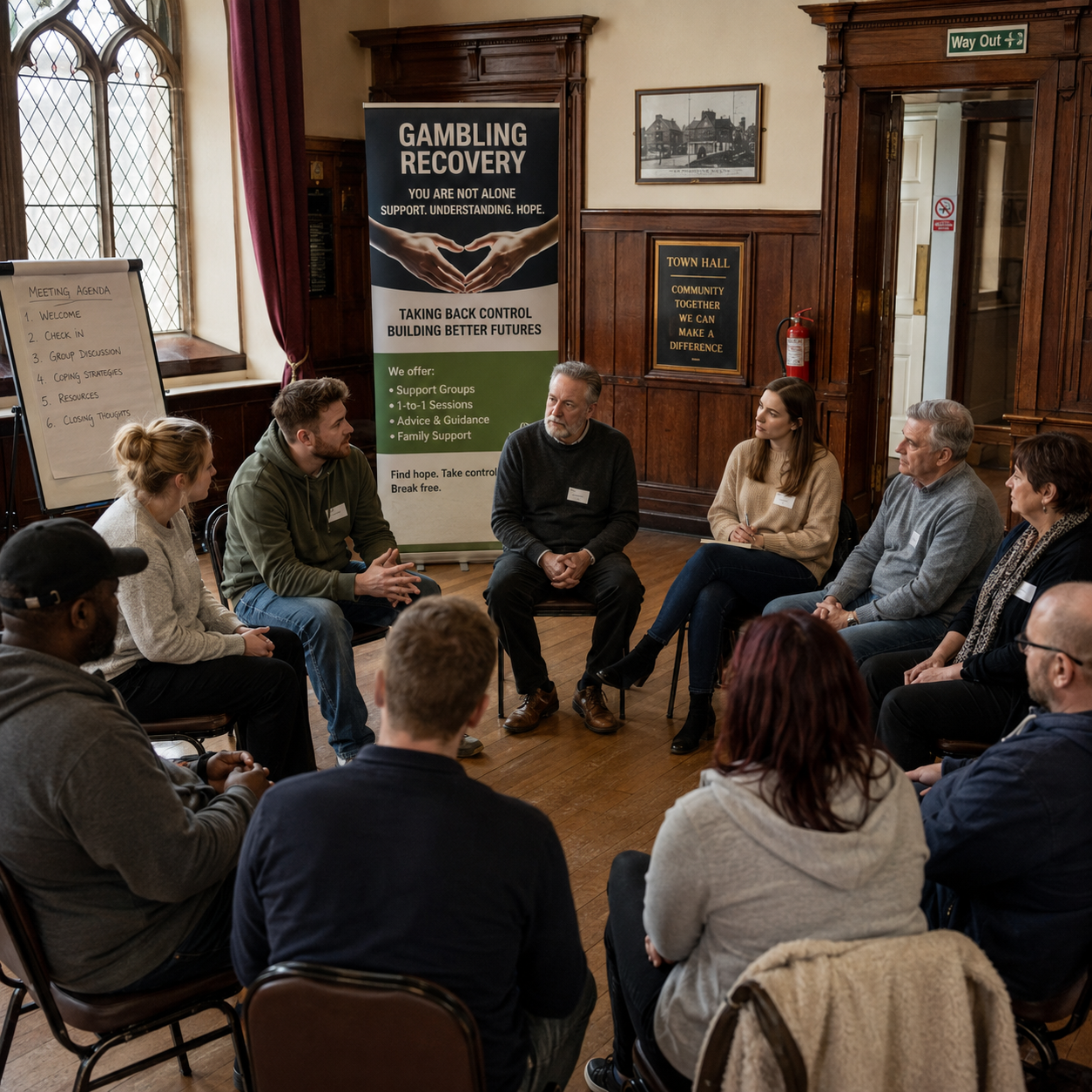
National helplines do important work — I wouldn't argue against that for a second. But there's something different about local, grassroots support. Community charities understand the specific pressures of their own patch: local employment patterns, regional poverty rates, even which pubs or high streets have quietly turned into hotspots for gambling machines.
They can offer face-to-face counseling, follow-up visits, and a level of familiarity that a phone call to a national number simply can't replicate. This kind of hands-on approach tends to catch the people who might otherwise slip through the cracks entirely.
Spotlight on Anna4Redcar
Anna4Redcar is a solid example of what this looks like on the ground. Based in Redcar and serving the wider Teesside community, the charity offers one-to-one counseling for people affected by problem gambling, alongside family support sessions for partners and children who often carry the emotional and financial weight of someone else's habit.
They also provide practical financial guidance — helping people untangle debt, set up budgeting plans, and rebuild after losses. What sets them apart, I think, is the local, ongoing relationship they build with each person rather than a one-off referral and a leaflet shoved in your hand. It's this kind of sustained, community-rooted care that makes them a genuine model for how smaller charities can fill gaps left by bigger institutions.
How to Recognize When Gambling Becomes a Problem
Fast-paced platforms, tether-based casinos included, can make it a lot harder to notice when things have gone too far. A few warning signs worth checking against your own habits:
- Spending more time or money than you originally intended, especially during late-night sessions
- Chasing losses by depositing again shortly after a losing streak
- Hiding transactions from family or feeling defensive when asked about your spending
- Borrowing money or dipping into savings specifically to keep playing
- Feeling anxious, irritable, or restless when you try to cut back
If a couple of these sound familiar — that doesn't mean you're beyond help. It just means it's worth having an honest conversation, whether that's with a friend, a GP, or a local support organization.
Safer Alternatives to Searching for the 'Top Tether Casino'
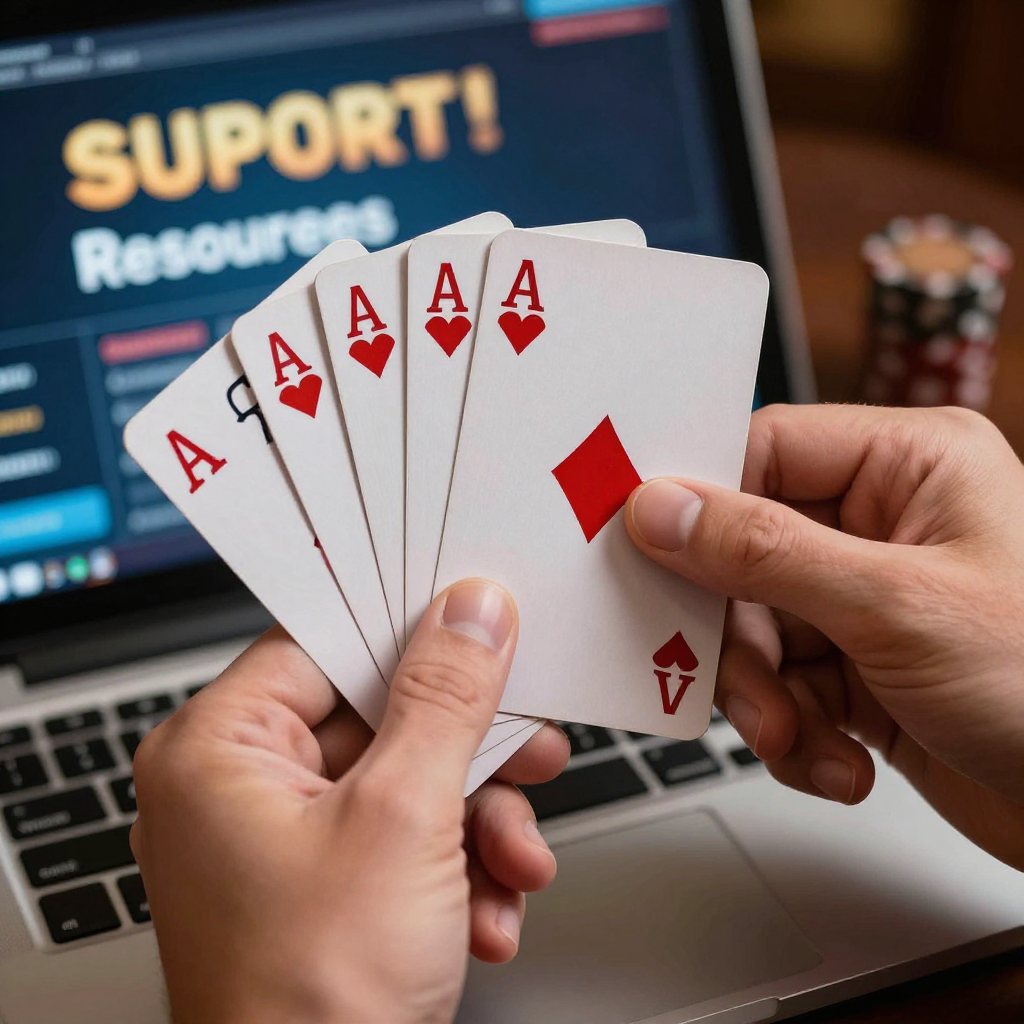
I'll be honest — if you're constantly Googling the top tether casino options because you're chasing bigger bonuses or faster withdrawals, it might be worth pausing to ask why. Entertainment gambling and compulsive gambling can look identical from the outside but feel completely different from the inside.
Instead of hunting for the next platform, organizations like Anna4Redcar offer a genuinely different path: confidential support, self-exclusion guidance, and structured recovery programs built around real community connection rather than algorithms designed to keep you playing.
Practical Steps Toward Safer Choices
There are concrete, doable steps you can take right now if you're worried about your own habits — or someone else's:
- Set firm deposit and time limits directly through your betting platform's account settings
- Register with GAMSTOP, the UK's national self-exclusion scheme covering licensed operators
- Reach out to a local charity like Anna4Redcar for one-to-one support and financial guidance
- Rebuild offline connections — hobbies, sports clubs, or simply more time with family — that don't revolve around screens
None of these require some dramatic overnight life change. Small, consistent adjustments tend to stick far better than sudden all-or-nothing resolutions. They usually do, in my experience — the quiet ones outlast the dramatic ones every time.
How Communities and Families Can Get Involved
Problem gambling rarely affects just one person. Partners, children, parents, friends — they often carry the emotional and financial weight quietly, sometimes for years before anyone actually speaks up. This is where community involvement matters so much.
Charities like Anna4Redcar rely on local volunteers, fundraising events, and awareness campaigns just to keep their services running and to reach people who might not otherwise ask for help. Getting involved doesn't have to mean grand gestures. It might be attending a local fundraiser, sharing information with a friend who's struggling, or simply being willing to have an uncomfortable conversation with someone you're worried about.
Building a Long-Term Balance With Gambling
Recovery from problem gambling isn't usually a one-time fix. It's an ongoing process — much like managing any other habit tied to mental health and impulse control. Sustainable balance tends to come from combining practical tools (limits, self-exclusion) with emotional support (counseling, community, family understanding).
This is exactly why charity involvement matters beyond that initial crisis point. Staying connected to a local support network gives people accountability, and somewhere to return to when things get difficult again — rather than facing setbacks alone.
Conclusion
Online gambling, tether-based casinos included, isn't going anywhere in 2026. If anything, it's likely to keep growing as crypto payments become more mainstream. But growth in the industry doesn't have to mean growth in harm.
UK charities like Anna4Redcar prove that real, community-rooted alternatives exist for anyone caught in the pull of problem gambling. Whether you're looking for support for yourself or for someone you care about, reaching out to a local organization is often the first genuine step toward finding balance again.