Responsible Gambling in the UK 2026: How Charities and Support Networks Help Players Recognise the Warning Signs Before They Reach a 'Top Tether Casino' Threshold
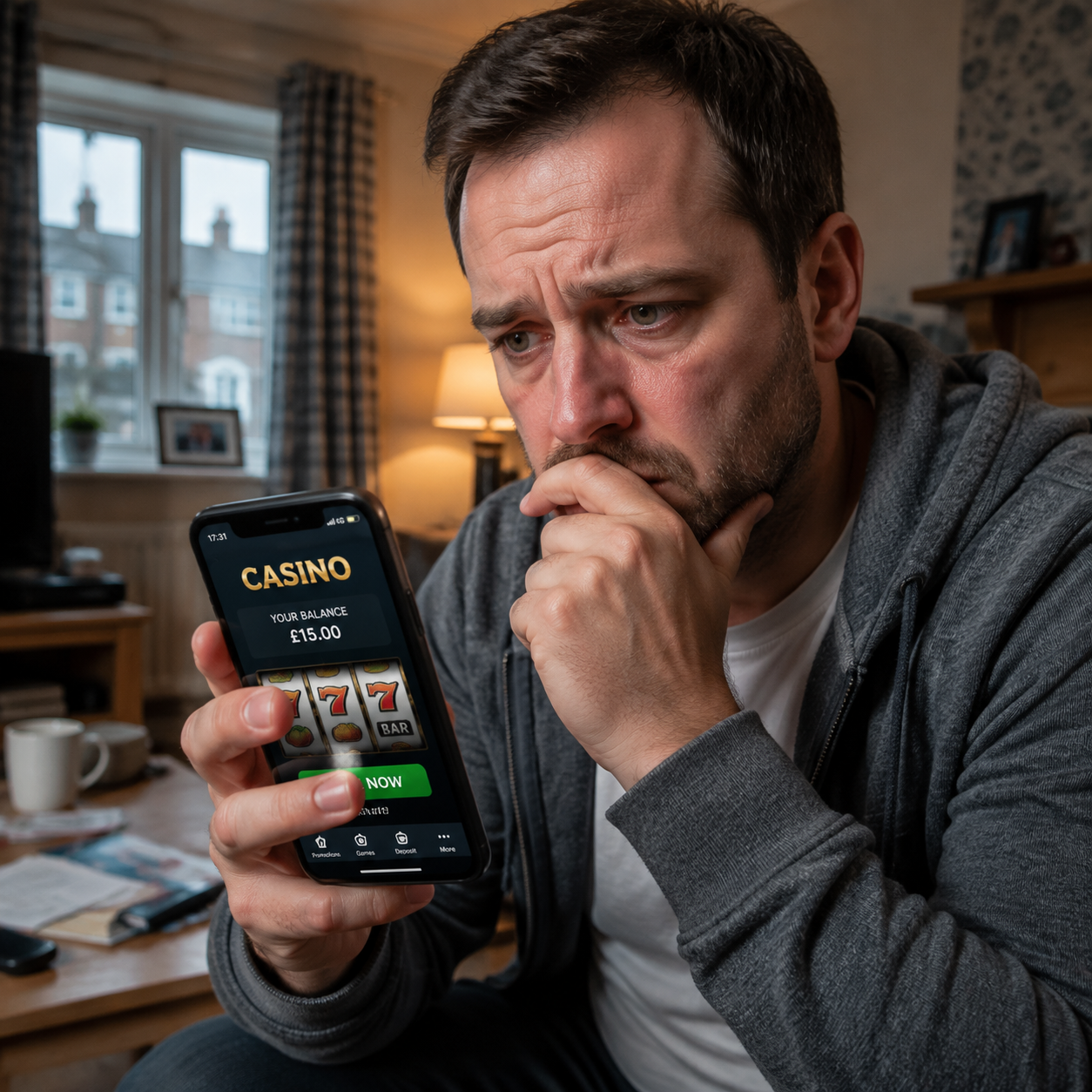
Gambling in the UK has shifted fast, and 2026 feels like the year it actually caught up with itself. New platforms, quicker payment rails, crypto-based casino sites — all of it has made placing a bet a matter of seconds. Losing track of how much time and money is going into that screen? Just as fast, if not faster. I've spent months talking to players, families, and support workers, and one thing keeps coming up over and over: the warning signs were there. Usually for a while. People just didn't always know what they were looking at. That's the gap charities and support networks quietly fill — spotting trouble before it turns into a crisis, not after.
The Changing Face of Online Gambling in the UK
The UK gambling market in 2026 doesn't resemble what it looked like even five years back. Traditional operators still dominate the headlines, sure, but a growing chunk of activity now happens somewhere else entirely — on platforms that take cryptocurrency, run on instant payment processors, or sit under looser regional oversight than the big licensed UK names. These sites sell themselves on speed and ease. Deposits clear instantly. Withdrawals skip the usual verification delays. Frictionless, basically, by design.
And that's exactly the problem. Frictionless makes things harder to monitor — for players, and for the safeguarding tools built into mainstream UK-regulated casinos. When money moves in seconds and doesn't always show up clearly on a bank statement, tracking your own spending becomes a lot harder than it sounds.
Why New Casino Formats Attract Attention
Honestly, the appeal isn't hard to understand. Crypto-friendly and alternative-payment casinos promise anonymity, barely any paperwork, and near-instant transactions — a sharp contrast to the sometimes sluggish verification at traditional sites. Marketing leans hard on exclusivity and speed, which is part of why searches for something like a 'top tether casino' have become increasingly common among UK players chasing fast, crypto-based gambling. Understandable, but it also means fewer natural pause points. Fewer moments where someone might actually stop and think twice.
Recognising the Early Warning Signs of Problem Gambling
Problem gambling almost never shows up overnight. It creeps in — small shifts in behaviour, mood, finances — the kind of things that are easy to brush off one at a time but form a pretty obvious pattern once you step back and look.
Behavioural Red Flags
- Chasing losses by increasing stake sizes to 'win back' what's been lost
- Gambling more frequently, or for longer sessions than originally intended
- Hiding gambling activity from partners, family, or friends
- Feeling irritable or anxious when unable to gamble
Financial and Emotional Warning Signs
Financial strain tends to be the clearest signal — and, funny enough, usually the last thing people admit to. Borrowing to gamble. Missing bill payments. Dipping into savings meant for something else entirely. These are all worth taking seriously. Emotionally, gambling can start doing a different job than it used to — less entertainment, more escape from stress, boredom, or sadness that doesn't have anywhere else to go. Mood swings that track a little too closely with wins and losses, especially when they start bleeding into everyday life, tend to mean gambling has stopped being a hobby.
The Risk of Reaching a Tipping Point — Understanding Platforms Like a 'Top Tether Casino'
Crypto-based casinos get a specific mention here, and for good reason: they can speed up harmful gambling patterns in ways traditional sites simply don't. When a platform lets you deposit near-instantly via stablecoins, there's almost no gap between the impulse and the action. Withdrawal limits, cooling-off periods, identity checks — the exact tools UK-regulated sites use to slow risky behaviour down — are often thin or missing altogether on these platforms.
Which is precisely why accessible support matters so much before someone hits that tipping point. Organisations offering guidance, counselling, and community support can help players and their families spot the early signs and act before fast, unregulated-platform gambling turns unmanageable. Resources like top tether casino support pages exist for exactly this reason — a place to turn when a habit feels like it's drifting somewhere dangerous, whether that's a crypto casino or anywhere else.
How UK Charities and Support Networks Step In
The UK has built something genuinely solid here over the years. National organisations like GamCare and BeGambleAware run helplines, online chat support, and structured treatment programmes — often free, often available around the clock. These are the bodies doing the heavy lifting on public awareness campaigns and large-scale research into gambling harms.
But national charities aren't the whole story. Sitting alongside them is a network of smaller, community-based organisations offering something the bigger bodies sometimes can't quite manage: familiarity, local knowledge, a more personal touch.
Local Community-Based Support
Regional and community-rooted charities tend to understand the specific pressures their local population faces — economic hardship, cultural factors, or just the particular gambling habits common in that area. They often run face-to-face support groups, drop-in sessions, one-to-one guidance that feels a lot less clinical than a national helpline. Networks similar to Anna4Redcar show how grassroots organisations fill gaps larger charities can't always reach, giving anyone starting to worry about their own gambling — or someone else's — a friendly, local point of contact.
Practical Steps Players Can Take to Stay in Control
Prevention is almost always easier than recovery. There are real, concrete steps players can take before things escalate:
- Set deposit and loss limits directly through the casino platform, and stick to them
- Use self-exclusion tools like GAMSTOP for UK-licensed sites
- Track time spent gambling using app timers or calendar reminders
- Keep gambling money separate from bills and essential spending
- Talk to someone — a friend, family member, or support line — at the first sign of concern, rather than waiting
None of this requires admitting there's a 'problem.' These are just good habits that make change easier to notice early — before it needs a bigger conversation.
Common Mistakes That Delay Getting Help
Denial's probably the biggest barrier, honestly. It's easy to tell yourself a bad week of losses is just bad luck, or that everyone gambles more than usual sometimes. Stigma plays its part too — plenty of players feel embarrassed admitting they've lost control, especially around fast-moving crypto platforms that carry an air of tech-savvy sophistication rather than risk. Misinformation doesn't help either. Some players genuinely believe self-exclusion tools don't apply to crypto casinos, which isn't always true, and it leaves people feeling like they've got no options left. Spotting these mental traps for what they are — excuses that delay help, nothing more — is usually the first real step toward change.
Gambling will keep evolving, and platforms promising speed and anonymity aren't going anywhere in 2026. What matters most is catching the warning signs early — a shift in mood, a pattern of chasing losses, a growing reliance on fast crypto transactions just to keep playing. UK charities and support networks, national and local alike, exist precisely to help with that recognition. Reaching out to them early, rather than waiting for things to spiral past the point of easy fixing, remains the single most effective thing any player or worried family member can do.